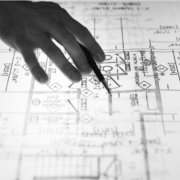
All this begins with the estimation.
An electrical estimator is a very specialized and very important position. The project is based on the estimation. It is also among the most gratifying. In the US, electrical estimators earned a median compensation of 68, 800, and the top pay in the industry is 176, 000 plus bonus, 401K, phone, insurance, truck, etc. The career is also rather promising as it offers a very bright future perspective with a growth rate of 36.4% in ten years. In the same period of time, more than 185,000 workplaces will be offered in this sector. Electrical estimating does not have a single degree program; therefore, anyone wishing to pursue such a career can take different paths in the quest of realizing his dream.
Why the Estimate Is the Basis of All Projects.
Any effective electrical project commences with an estimate that is made. The estimation identifies profitability, allocation of resources, feasibility to schedule and competitive positioning. A robust estimate safeguards margins, avoids expensive surprises, and creates trust in the client at the initial stage of the project life cycle.
Organized Training Makes Self-assured Estimators.
School education is the way that an intervention is made between theory and practice. Acquisition of systematic estimating techniques, knowledge of takeoffs and experience in preparing bids on real-life issues contribute to quicker professional development and elimination of expensive novice errors.
The electrical estimators in larger firms would typically work under a Senior Estimator. The Senior Estimators lastly review the work of the other estimators.
The checks and balances of several people going through the same estimate disappear as smaller companies continue to emerge. Of greater importance is that these smaller companies need to get it right the first time. The owner can be the estimator, project manager, purchase agent, etc., who may have no other choice but to play multiple roles. It is more important to do an estimate right and quickly. That is why the Best Bid Hybrid Pro was designed to enter the maximum amount of information with the least number of clicks possible.
Growing Responsibility of the Small Business Estimators.
With small to medium electrical companies, it is common that the estimator is directly in charge of the project’s financial success. In the absence of several layers of reviews, accuracy and effectiveness will be of great importance. Risk is minimized through technology and disciplined estimating practices, which also enhance the speed of turnaround.
The estimators must be very proficient in cost estimation, blueprint reading, studying specifications, project estimation, and project bidding, among others. In most instances, electrical estimators are engaged in several projects at the same time. There is nothing like preparation for this role, as simply doing it over and over. There is no experience like the experience of college classes. Here we may offer you this.
Essential Competencies Every Electrical Estimator Should Master.
In addition to the reading plans and calculating the costs, estimators have to know the labor productivity, changes in material prices, risk evaluation and the effect on the schedule. The bids and multiple bids mean the need to organize, to focus, and to manage time properly.
The estimators also engage in examination of quotes given by the subcontractors and suppliers in order to acquire the appropriate data and identification of any gaps with a given quote.
Quote Analysis Vendor and Subcontractor.
Considerations of scope gaps, exclusions, compliance requirements, and pricing inconsistencies are among the issues that should be considered during the review of subcontractor and supplier quotations. Early identification of deficiencies results in avoiding conflicts and budget overruns in the project.
A plan of action will be developed by the Project Manager, and schedules and human resources will be developed that will be needed to accomplish the electrical project.
The Project Manager Transition Programme.
There should be continuity between the estimating and project management, which is facilitated by a smooth transition. Proper documentation, correct cost breakdowns, and the projected labor estimates enable project managers to work effectively without miscommunication or financial spillovers.
To be a professional electrical estimator, one needs to be in possession of a very good working knowledge of construction and electrical work. However, it is good to be familiar with the National Electrical Code and become familiar with a variety of other standards like the ISA, UL and NFPA. You have to be well conversant with the classification requirements, like Class 1 Div. 2, etc. You must also have the ability to read and interpret schematics, wiring diagrams, and one-line diagrams correctly.
Technology the Competitive Advantage.
The use of software enhances efficiency and accuracy. New digital takeoffs, computerized assemblies or database-based pricing simplify the estimating process and minimize human error. The construction of today is focused on tech-savvy estimators.
Look for employers at estimators with experience in using electrical estimating software. Are also experienced in estimating jobs in the niche that they work in. College credits are valued more than field experience by many employers. Therefore, one should be keenly interested in project estimation at the beginning of one’s career, as well as to acquire more and more. We can help you do just that.
What Employers Actually Seek.
Employers focus on experience, industry knowledge and precision in previous bids. Field exposure creates a sense of credibility in that it unites estimating assumptions with actual realities on the job site. Life-long learning and specialization enhance long-term career opportunities.